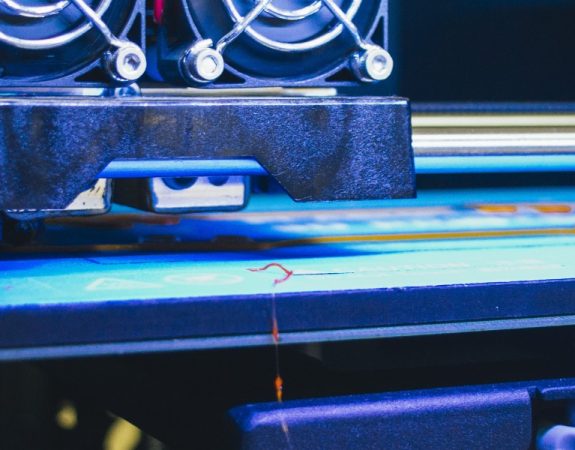
Controlled Post-Processing for a Sealed, Low-Porosity, Semi-Gloss Finish on Complex Ultem Geometry
FDM Ultem vapour smoothing is a controlled post-processing method that removes visible layer lines from printed Ultem parts without cutting back the geometry underneath. We suspend parts in a sealed chamber and expose them to a carefully managed solvent vapour, softening only the outermost layer so the peaks left by the extrusion path flow into the valleys between them.
Because material is redistributed rather than mechanically removed, we can smooth complex geometry, including recesses and internal radii, far more consistently than hand finishing allows. Ultem’s chemical resistance makes this trickier than with standard FDM materials like ABS or ASA, so the process is tightly controlled and specific to the material. Done correctly, it produces a sealed, low-porosity, semi-gloss finish without compromising part form.
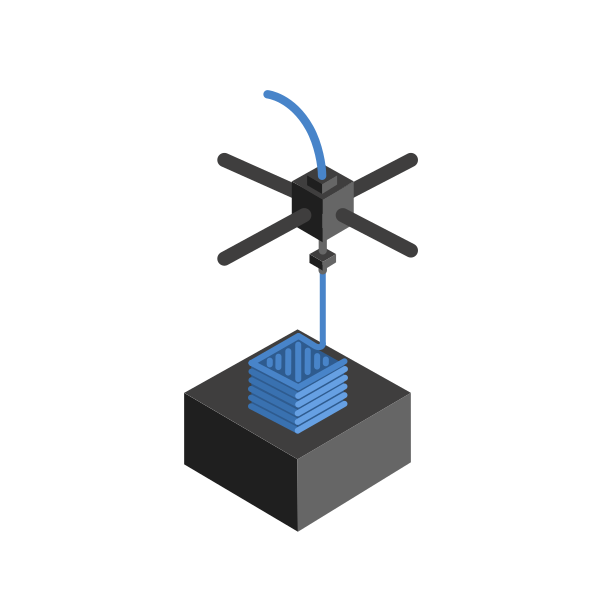









We see the strongest fit for Ultem vapour smoothing where high-performance printed parts need to work harder in the final application. That can include aerospace, motorsports, automotive and defence programmes, especially where components are integrated into higher-value assemblies or required to present a more finished surface straight out of production.
Typical use cases include housings, covers, ducts, brackets, jigs, fixtures and low-volume production parts where Ultem has been selected for its engineering performance but the as-printed finish needs improvement. Smoothing can also support prototype programmes where you want the mechanical and thermal benefits of Ultem without the pronounced layer texture normally associated with FDM.
Because the process treats the full part rather than isolated accessible faces, it is particularly useful for geometry with internal curves, enclosed features and hard-to-reach surface detail. If your part would be difficult to finish consistently by hand, vapour smoothing is often the more repeatable option.

We combine specialist 3D printing capability with practical engineering understanding, so we can help you look at the part as a whole rather than treating finishing as an afterthought. If you are already using FDM Ultem, we can review whether vapour smoothing is appropriate for the geometry, finish expectations and end-use requirements. If you are still deciding how to manufacture the part, we can help you weigh up process choice at an earlier stage.
Our team has been established since 1969, and that long trading history shapes how we work. We focus on precision, professionalism and problem-solving, giving you clear input and dependable support from first enquiry through to manufacture. Where projects are technically demanding or commercially sensitive, we aim to make the process straightforward and responsive.
That means you can come to us with a fully defined requirement, or with an early-stage part that still needs discussion. In both cases, we will help you move the project forward with practical advice and a clear route to quotation.


