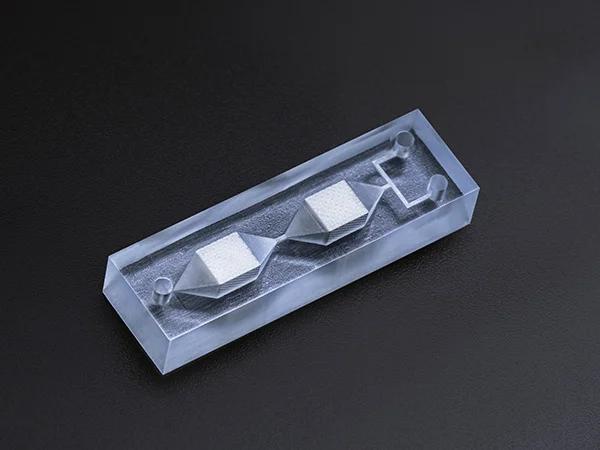
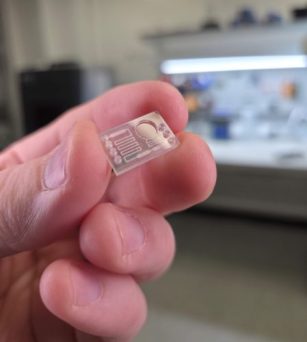
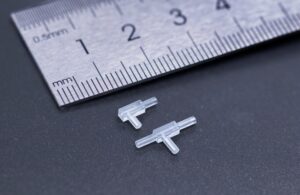
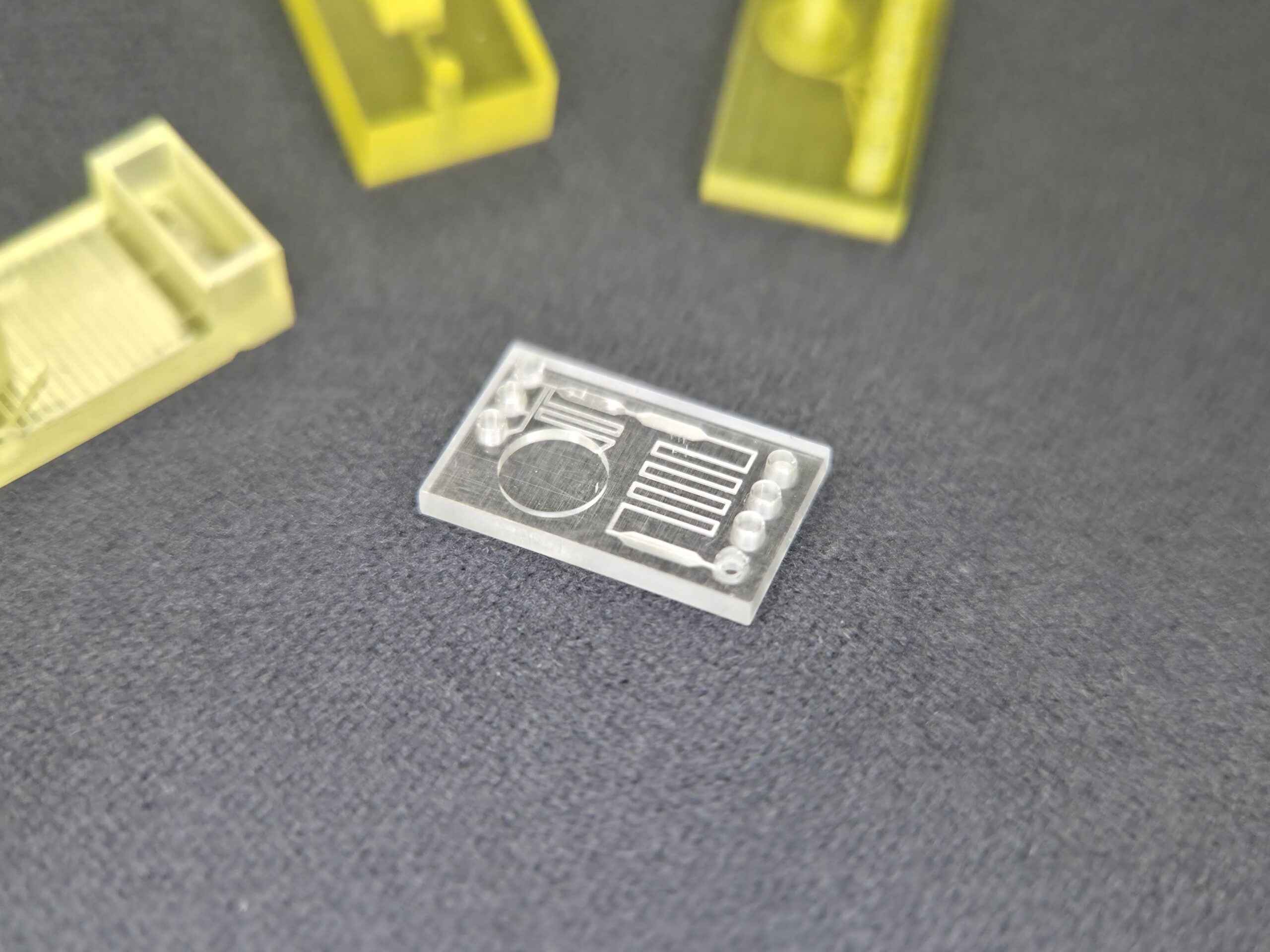
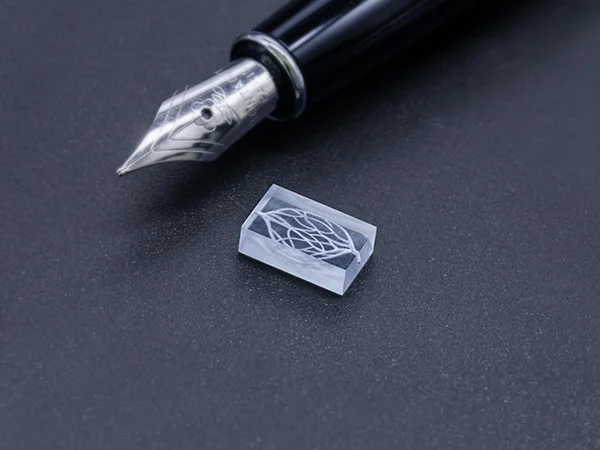
BMF Clear is an optically transparent photopolymer resin for high-resolution micro 3D printed parts. Available at IPFL for projects requiring light transmission, visible internal features and micron-level accuracy.
BMF Clear resin gives engineers and product developers a transparent material option for precision micro 3D printed parts. It is designed for applications where small features, internal structures or fluid paths need to be visible, while still taking advantage of the fine feature capability of BMF micro 3D printing.
The material is suitable for early-stage development, research parts and specialist prototypes in microfluidics, optics, photonics, biomedical device development and precision engineering. IPFL can review CAD files to check material suitability, feature detail, layer height options and print orientation before manufacture.





BMF Clear gives engineers and product developers a transparent material option for micro 3D printed parts where internal detail needs to be visible. It is designed for applications that need a combination of light transmission, fine feature resolution and small-scale geometric control, without moving away from the BMF micro 3D printing process.
This makes it especially useful for parts where an opaque resin would limit inspection, testing or evaluation. For microfluidics, optical research, biomedical prototypes and precision development work, being able to see channels, chambers, alignment features or internal structures can make early design decisions much easier.
Light transmission for inspection and development
BMF Clear has greater than 90% light transmittance, making it suitable for transparent components where visual access or light passage is important. This is valuable when parts need to be inspected during testing, aligned with other components, or used in early-stage evaluation where internal geometry matters.
Fine features with visible geometry
The material supports layer heights as fine as 10 microns, giving designers access to the fine feature capability of BMF micro 3D printing while using a transparent resin. This is important for small channels, thin walls, fine openings, optical details and compact prototype parts where both scale and visibility are important.
A useful step before further development
For many projects, BMF Clear is best used as a development material. It can help teams test geometry, inspect internal structures and understand how a small part performs before moving towards further validation, alternative materials or production manufacturing. Final suitability still depends on geometry, wall thickness, surface finish requirements and the operating environment.
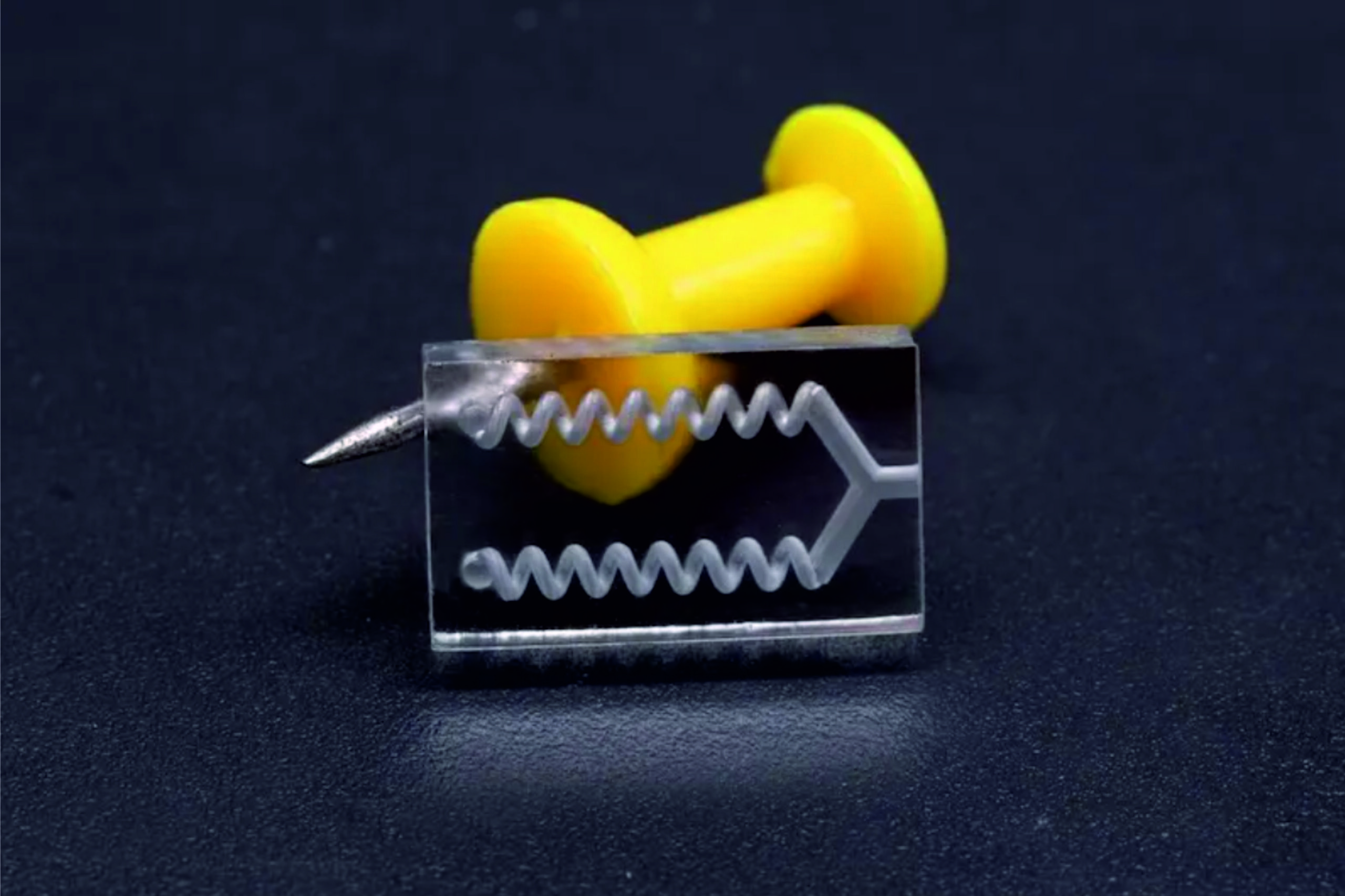


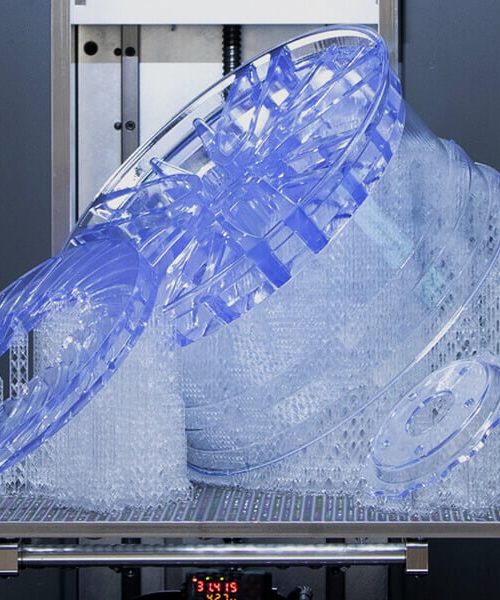
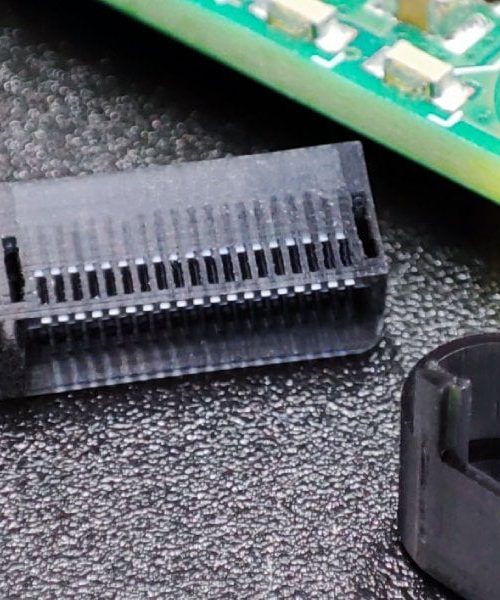
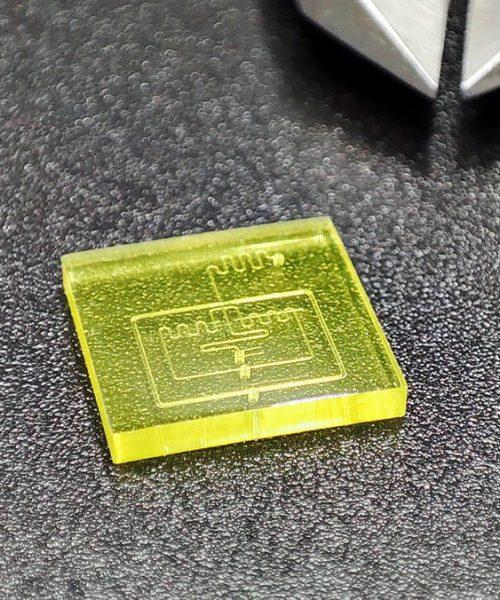
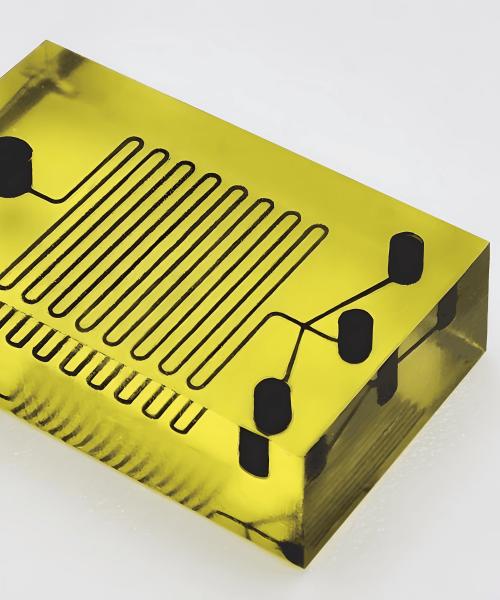
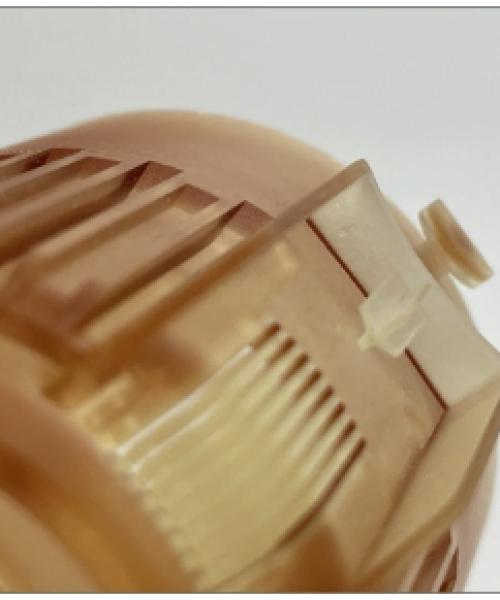
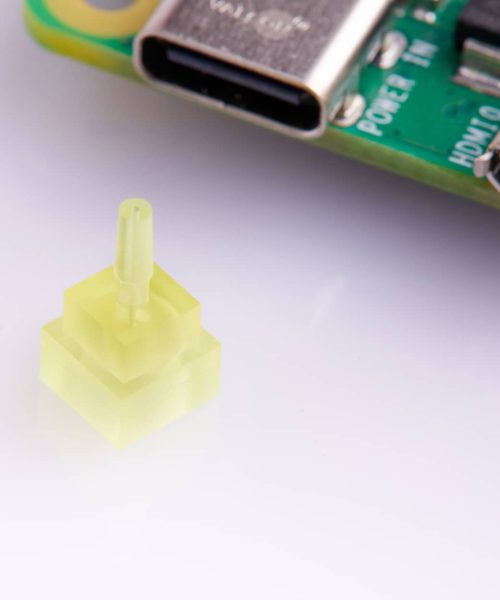
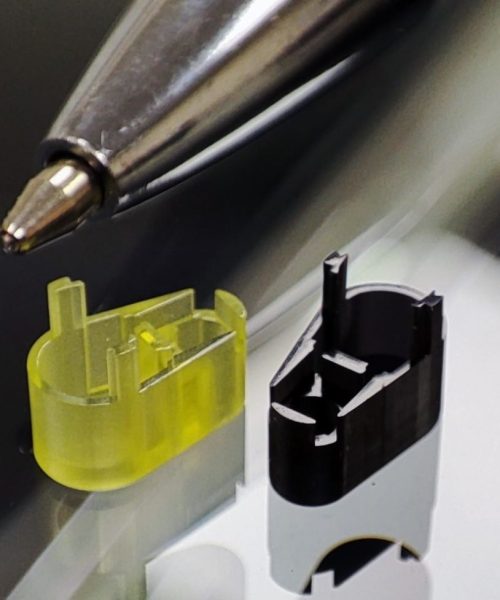
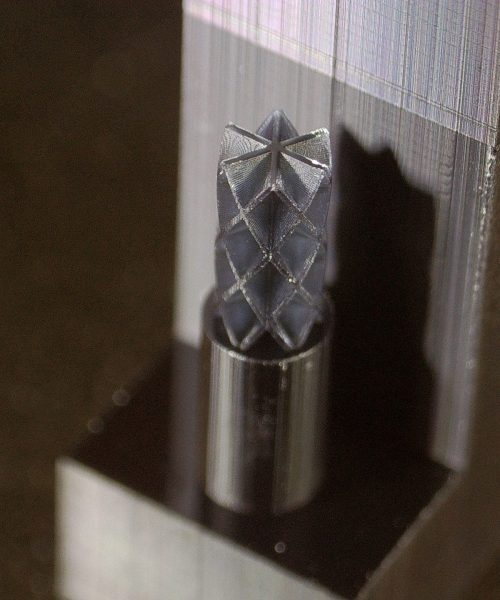
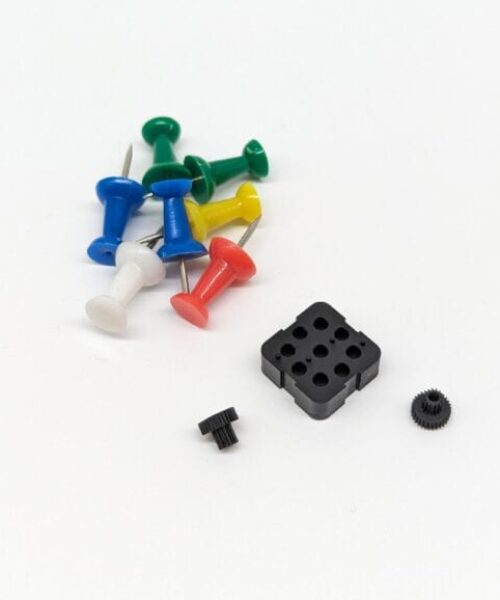
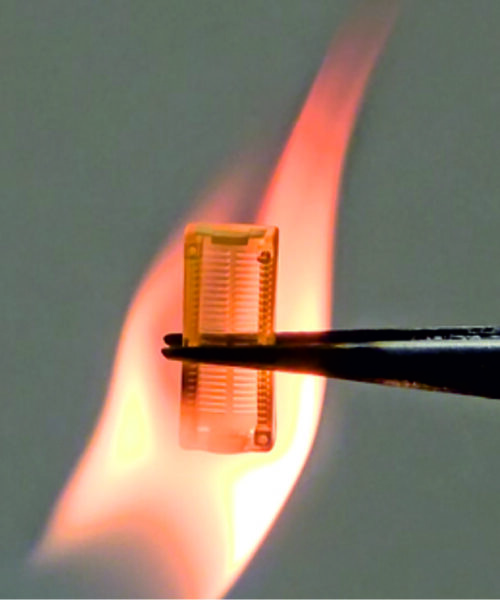
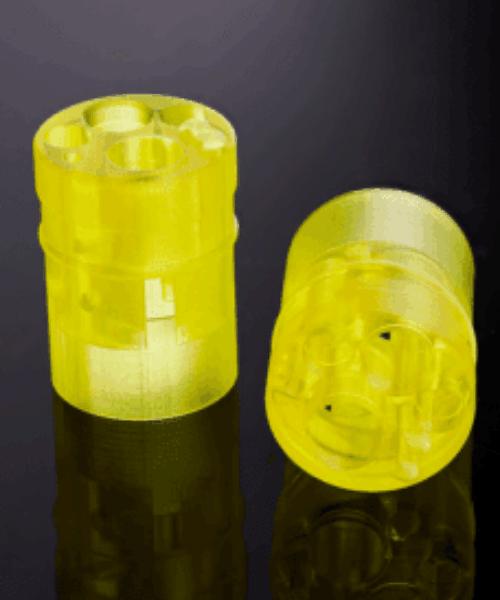

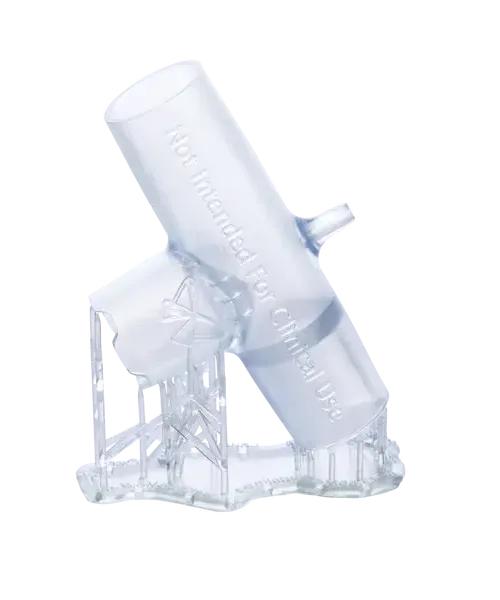
BMF Clear is suited to applications where transparency is part of the function, testing process or development workflow. Instead of using a clear material only for appearance, the value comes from being able to combine visual access with micro-scale detail.
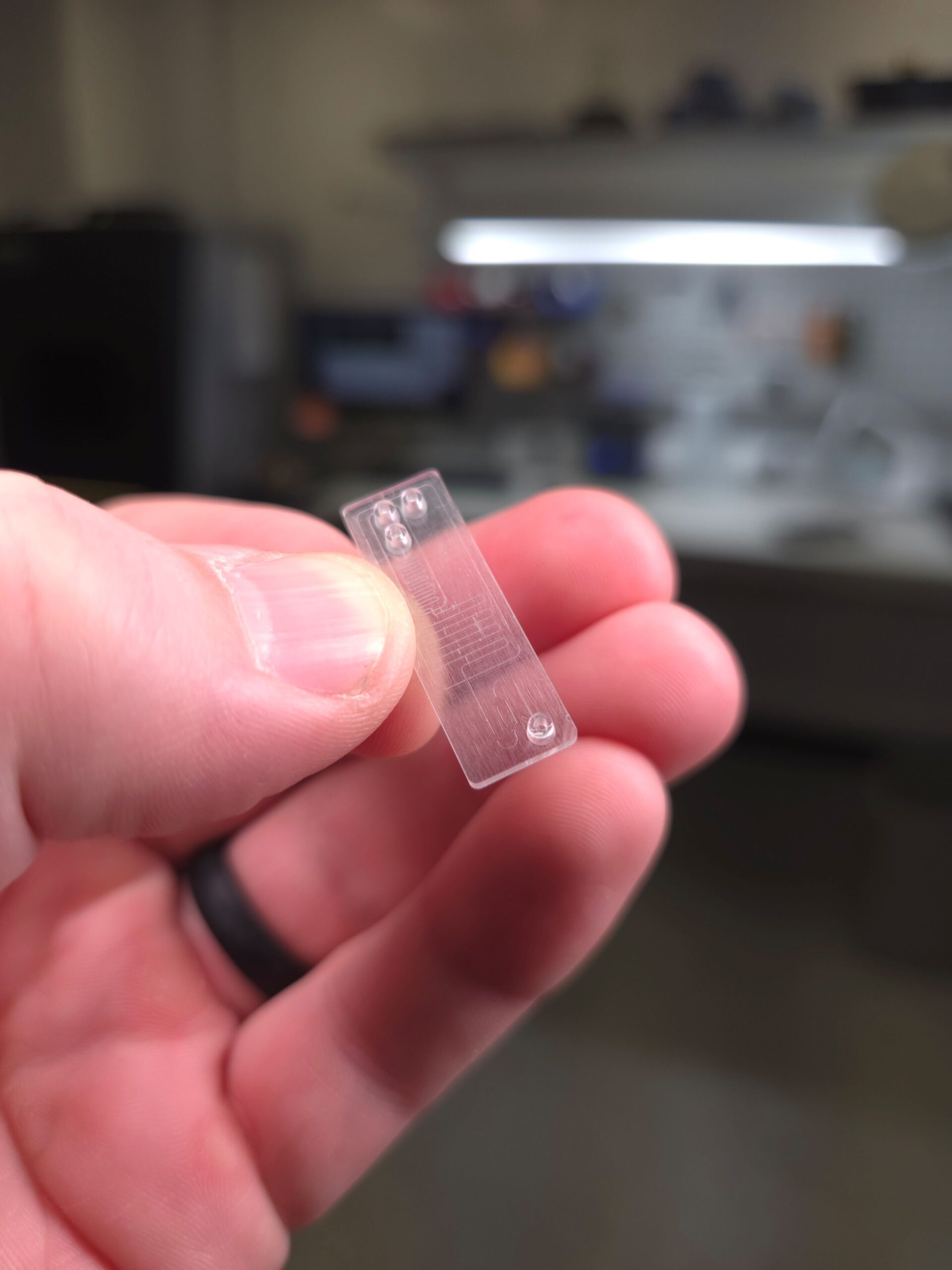
This is particularly relevant for microfluidic devices, lab-on-a-chip prototypes, optical alignment components, micro-lenses, photonics research, biomedical prototypes and other small parts where internal structures need to be seen, checked or used as part of the application.
Microfluidic channels and lab-on-a-chip prototypes
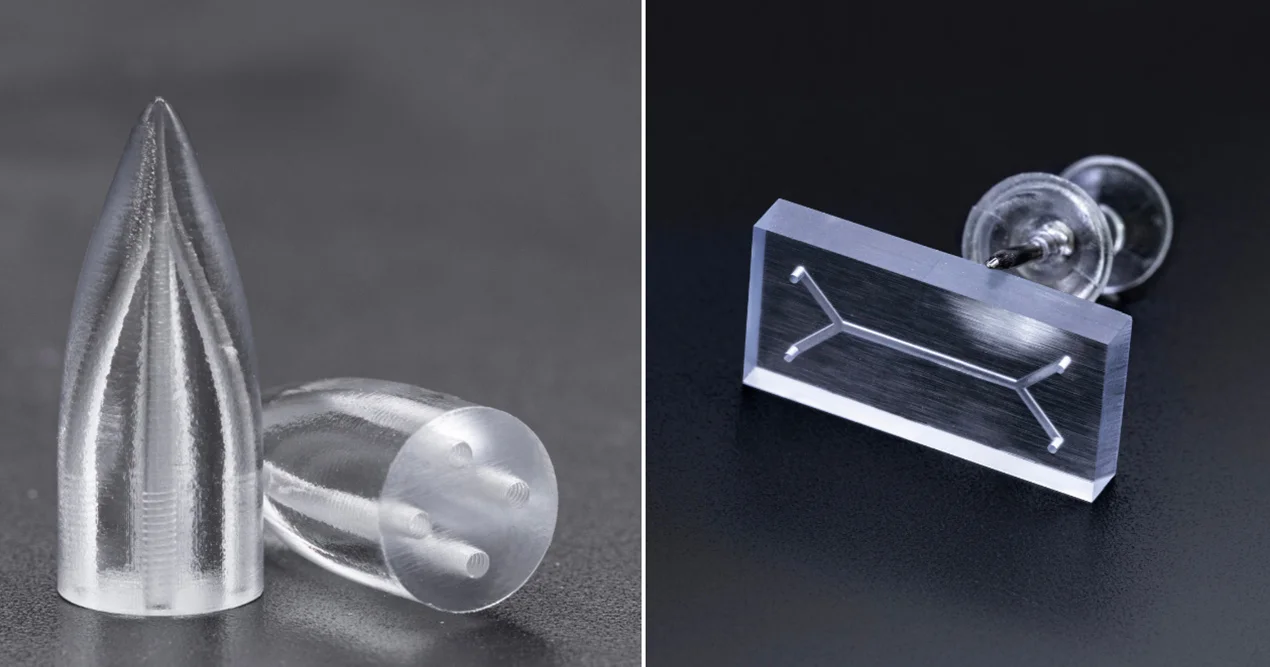
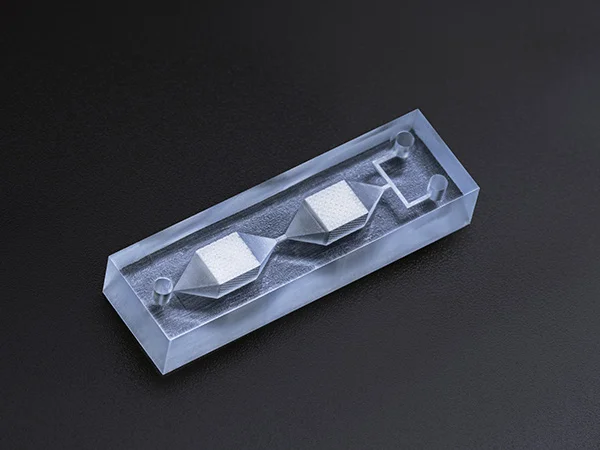
In microfluidic development, transparent parts can make it easier to assess channels, chambers and internal pathways during early testing. BMF Clear can support prototype parts where designers need to see whether a fluid path, cavity or feature has formed as intended, while still taking advantage of BMF’s ability to produce small, detailed geometries.
Optical and alignment applications
For optical research and precision assembly, visible features can help with alignment, positioning and evaluation. BMF Clear can be used for micro-scale optical features, alignment details, windows, sensor housings and research components where transparency supports the development process.
Part review is still important
Transparent micro 3D printed parts are sensitive to geometry, orientation, surface finish and wall thickness. IPFL should review each CAD file before manufacture to confirm whether BMF Clear is suitable, what resolution is appropriate, and whether another material or manufacturing process would give a better result.